


 Home
Home.jpg "forklift-blind-spot-detection.jpg")
 Forklift Radar Blind Spot Detection System
Forklifts present multiple safety risks during operation, especially when reversing where large blind spots obstruct the driver’s view. Electric forklifts, being nearly silent, can approach unnoticed, often catching nearby workers off guard and increasing the risk of collisions.A forklift blind spot detection system helps identify pedestrians and obstacles hidden in these blind areas before a collision occurs.
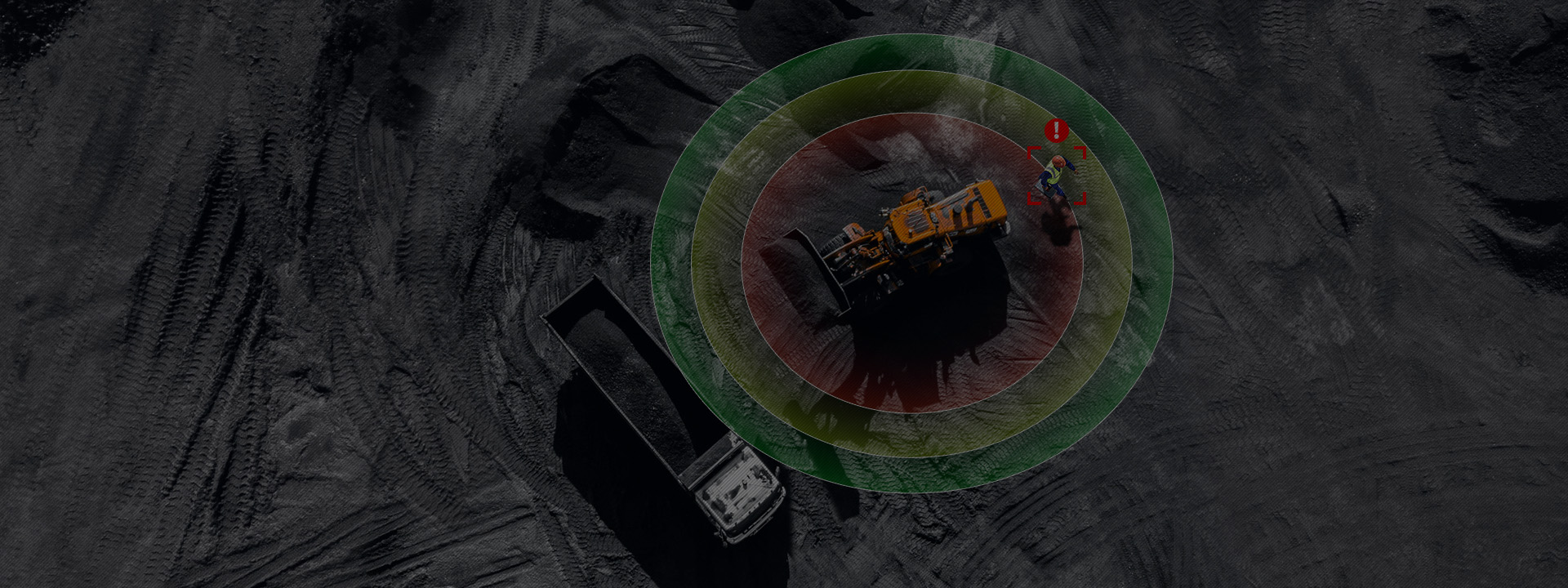
The radar-sensing forklift safety warning light/forklift radar blind spot detection system is designed to solve this problem. Installed on the left, right, and rear sides of the forklift, it projects highly visible warning zones around the vehicle—like a “moving safety barrier.” When a person enters the red warning zone, the system instantly triggers a voice alert (“Please pay attention to the rear”) along with dynamic flashing lights. This helps drivers monitor forklift blind spots more effectively, improves safety during nighttime operations, and makes the forklift more noticeable, constantly reminding surrounding personnel to keep a safe distance.
Compared with audible alarms, bright visible light beams are more effective and intuitive in noisy work environments. Simple to install and cost-effective, the forklift blind spot detection system significantly enhances operational safety by detecting pedestrians and obstacles in blind areas and provides solid protection for workplace safety management.
Our Solution
The forklift blind spot detection system adopts 60GHz high-precision millimeter-wave radar technology, enabling accurate pedestrian and obstacle detection within forklift blind spots. with extremely low false alarm rates and strong anti-interference capability. Its fast response ensures immediate activation, even for rapidly moving targets, with no delay.
When a pedestrian enters the red warning zone, the system instantly triggers a voice alarm combined with dynamic flashing lights, reminding workers to keep a safe distance.
The radar detection range can be flexibly adjusted as needed, with an optimal sensing distance of 1–2 meters. The recommended installation height is 2–3 meters.
In addition, it supports dual-color dynamic light sources (red/green) for more intuitive and highly visible safety alerts.

Application Scenarios

.jpg "Forklift Proximity Warning Alert System")